
One of the most frequent questions we receive from parents at Melodic Heritage is: "Is my child old enough?" While it's tempting to look for a magic number, the reality is that the "best age" is not a fixed point on a calendar. Instead, it is a intersection of physical development, emotional readiness, and a spark of natural curiosity.
Individual Development
Timing isn't dictated by age, but by developmental milestones. Some children develop the motor skills required for finger placements at age four, while others might find better focus and success starting at six or seven. Personality plays a massive role—a child who loves to sit and explore patterns might thrive earlier than a child who communicates primarily through movement and physical play.
The Foundation: Early Exposure
Before "lessons" ever begin, music should be a part of the household fabric. Singing together, rhythmic games, and active listening are invaluable. Exposure to different genres helps develop a child's ear and "musical vocabulary" long before they ever pick up a bow or touch a key.
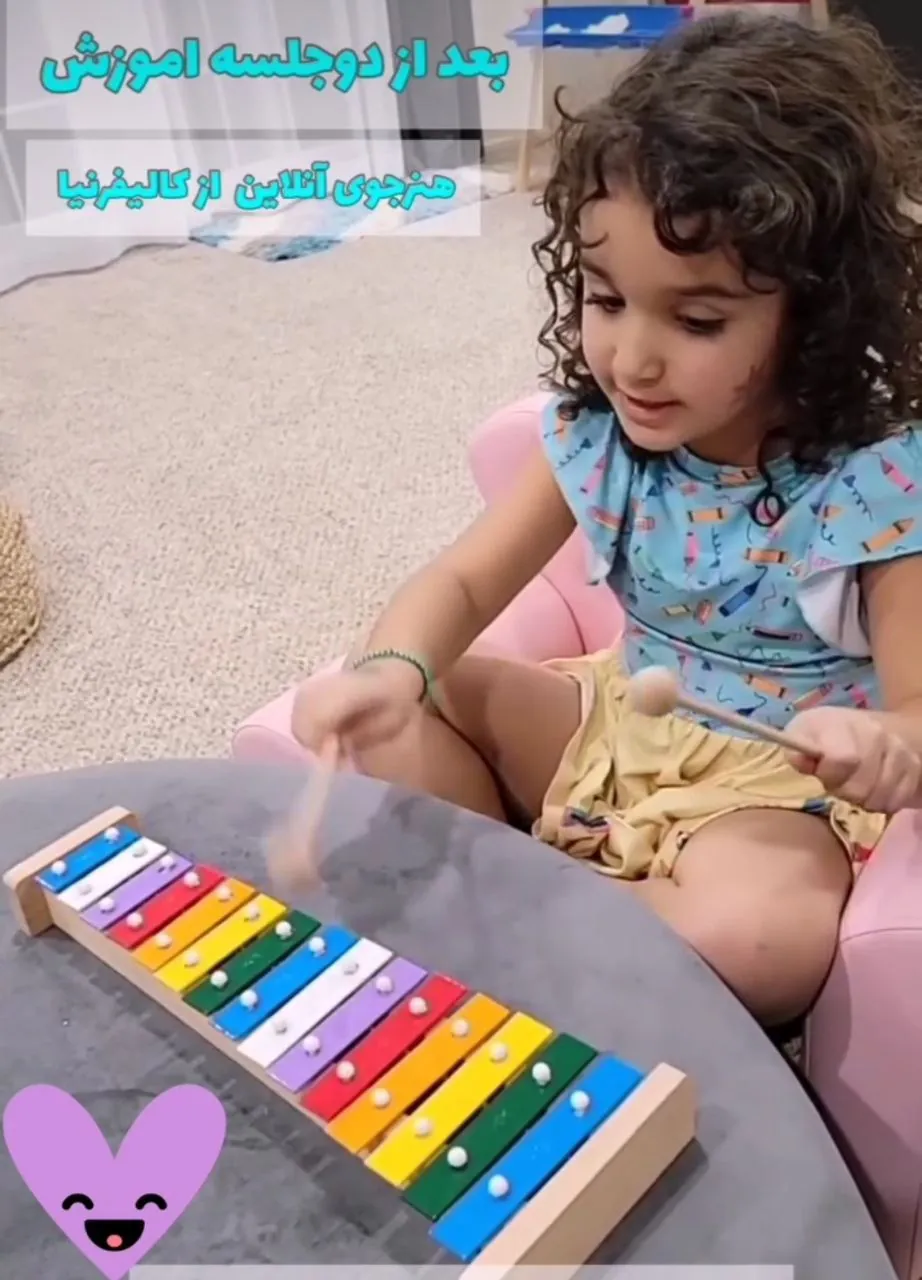
Starting Structured Lessons
Age 4 is often cited as a common benchmark for starting structured learning, but it should not be viewed as a rigid rule. At this stage, the goal isn't mastery; it's engagement. Rushing a child into a strict practice regimen before they have the attention span can lead to early burnout.
Introductory Instruments
Xylophones
Tactile and visual pitch learning.
Recorders
Foundational breath and finger control.
Color Bells
Simple, joyful pitch recognition.
Specialization in complex instruments like the violin or piano can wait. Starting with these "entry-level" tools allows a child to build confidence without the frustration of complex mechanical demands.
Cognitive Growth
Research suggests that early musical training may help support brain development, specifically in areas related to language processing and spatial-temporal reasoning. While these are wonderful secondary benefits, the primary focus should always be the emotional and creative outlet music provides.
Finding the Right Mentor
The first teacher a child encounters is arguably the most critical person in their musical life. A teacher who prioritizes joy and encouragement over technical perfection builds the foundation for long-term motivation. Check our Great Teacher Checklist to see what to look for.
The Parent's Journey
Your role is one of the "enthusiastic audience." Support their interest without the weight of performance pressure. Let them see you enjoy music, too. When a child sees music as a gift rather than a chore, they are far more likely to stick with it for decades.
By Melodic Heritage Academy
Editorial Team
Ready to start the journey?
Speak with our instructors to assess your child's readiness and find the perfect instrument match.