The Critical Foundation of Success
When a parent decides to enroll their child in music lessons, the primary concern is often the instrument, the curriculum, or the commute. However, at Eli Melody Music Academy, we believe the most critical factor—the catalyst that transforms a mere lesson into a passion—is the teacher.
A great children's music teacher is more than a technician; they are an emotional architect, building the confidence and curiosity required to master the complex language of sound.
Teaching Children Is a Specialized Art
Teaching an adult requires logical progression and technical precision. Teaching a child requires the same foundation, but layered with a deep understanding of cognitive and motor development.
- check_circle Patience for fine motor skill development
- check_circle Gamification of rhythmic patterns
- check_circle Storytelling to explain musical dynamics
Beyond Notes and Technique
We prioritize the experience over the execution in the early years. If a child leaves a lesson feeling capable and happy, they will practice. If they leave feeling criticized, they will quit. A master teacher knows how to weave essential theory into activities that feel like play.
Encouragement Matters
Positive reinforcement isn't just about praise; it's about acknowledging the specific effort behind a difficult phrase or a steady beat.
Personalized Learning
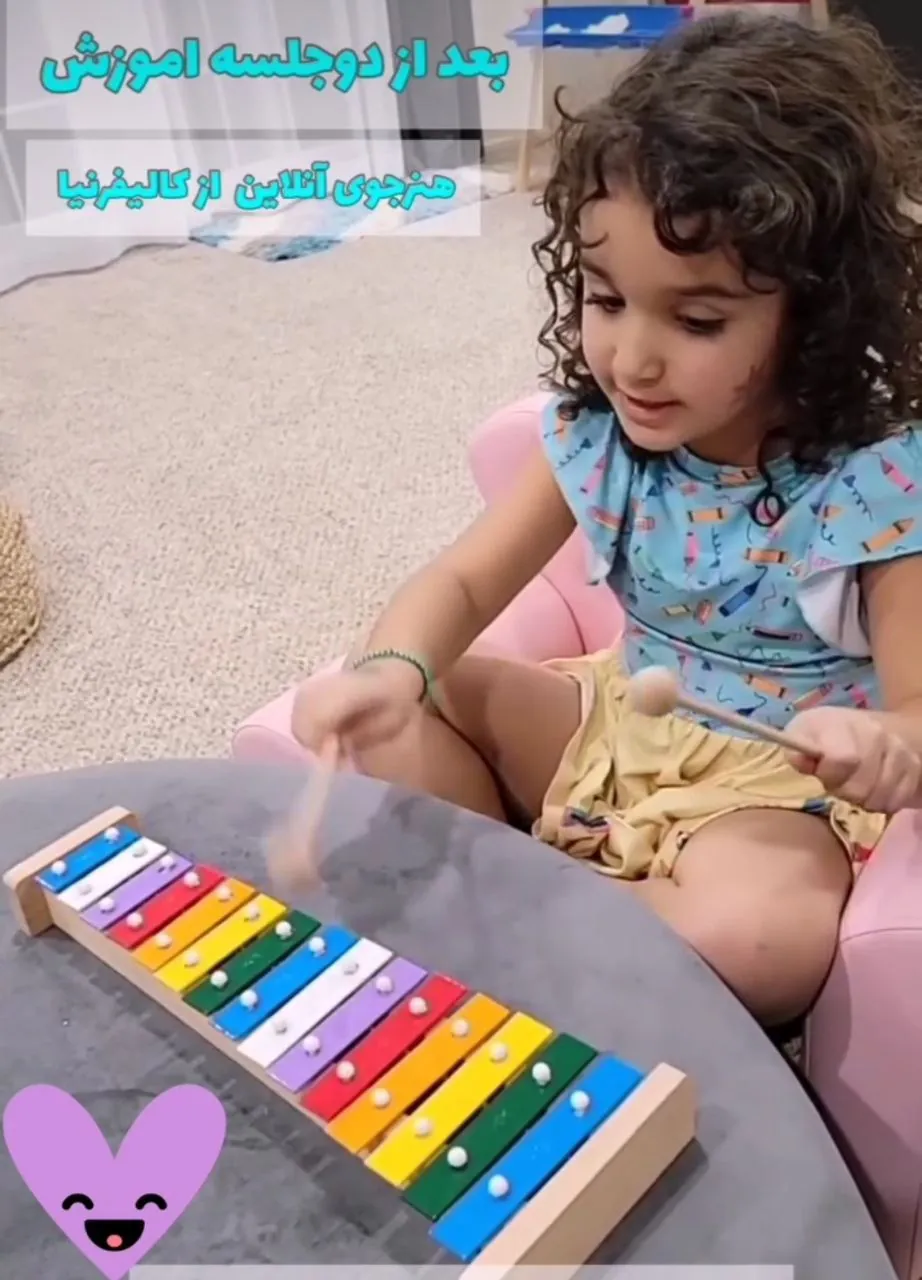
At EliMelody, we tailor every activity to the child's personality. A shy student might find their voice through the recorder, while an energetic child thrives on the percussion of the xylophone.
Not Every Child Starts the Same Way
The "traditional" piano or violin start isn't universal. A great teacher assesses the child's physical stature and interest level. We often begin with:
Rhythm
Recorder
Xylophone
A Parent's Practical Checklist
Observation
Does the teacher speak *to* the child or *at* them?
Adaptability
Can they pivot if the child loses focus?
Philosophy
Is their focus on exams or enjoyment?
Connection
Does your child feel excited to go back?
Conclusion: A Lifelong Relationship
The ultimate goal of early music education isn't to create a prodigy, but to foster a human being who finds comfort, joy, and expression in music. Choosing the right teacher is the first step in ensuring that music becomes a lifelong companion rather than a childhood chore.